Audio & Visual Production

Figure 1: Image by vectorjuice on Freepik
1.0 Audio Production
The project takes the form of a visual essay presented as a poster series, a form which has been selected as a justified alternative to more conventional forms of vlog or film-based outputs. As a result, there is no audio element in the medium itself. There is no voiceover, no sound design, and no music; rather, the mode is one of purely visual and textual communication. This has been a deliberate choice and one which is in line with the possibility of alternative forms as presented in the brief in terms of justification. My own background in graphic design has been a factor in this decision to develop a poster series.
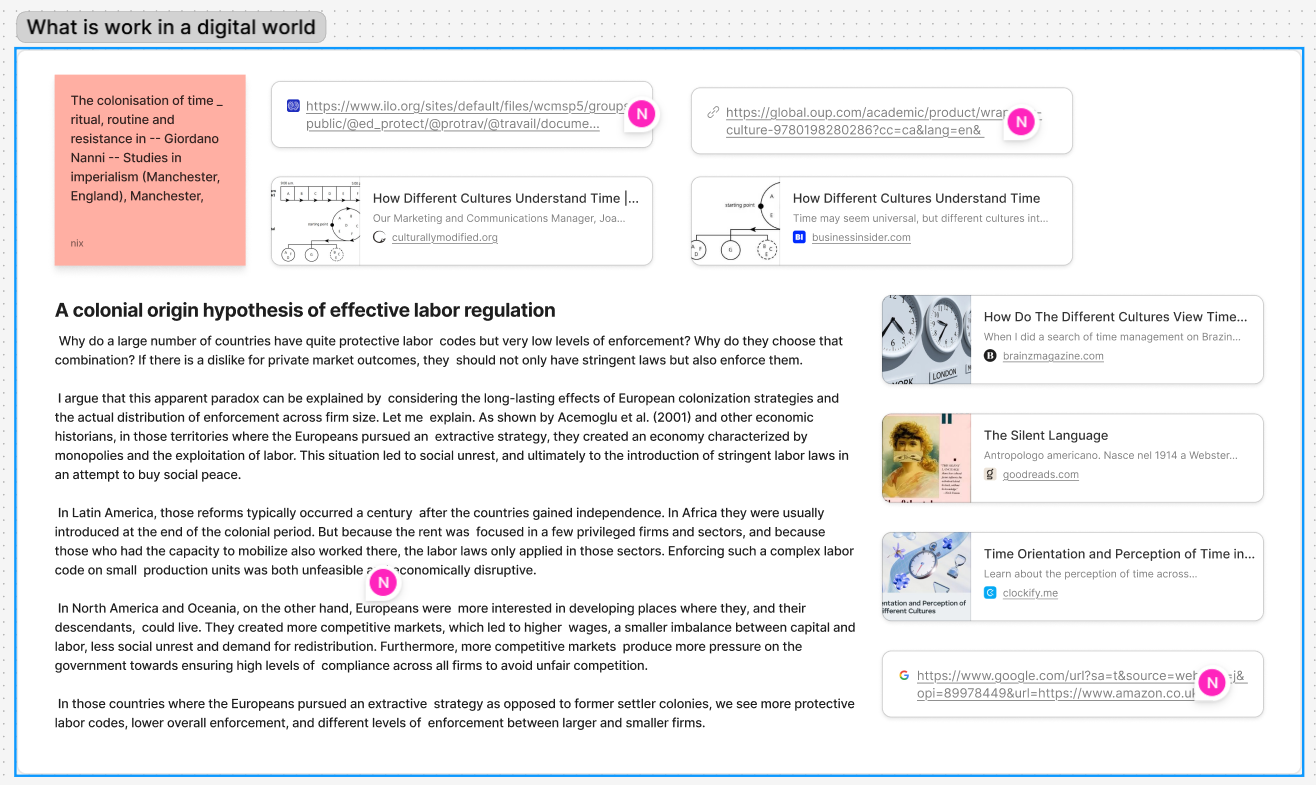
Figure 2: Compilation of research theory and references
2.0 Visual Production
I started looking towards the overarching study of how different cultures view and experience time. Building on this, Lewis (1996, cited in Culturally Modified, 2020) and Hall (1983, cited in Clockify, 2025) have been referenced for an exploration of how different cultures view time, for example, whether it is linear, cyclical, and procedural, or whether it is monochronic (M-Time) or polychronic (P-Time), whether some cultures view it as moving through them or moving within them (Brainz Magazine, 2023; Clockify, 2025). Further depth was added to this study with Nanni's (2012, p.3) exploration of how the mechanical clock was not simply a tool for keeping time but was in fact a tool for colonial domination, a tool for subjugating indigenous cultures of time and for synchronising labour across all colonies. Coming from the module's perspective of working in the digital world, I explored Ronconi's (2015) study of how European extractive colonization strategies developed strict labour laws with selective enforcement, an imbalance that still impacts today in countries in Latin America, Africa, and beyond.
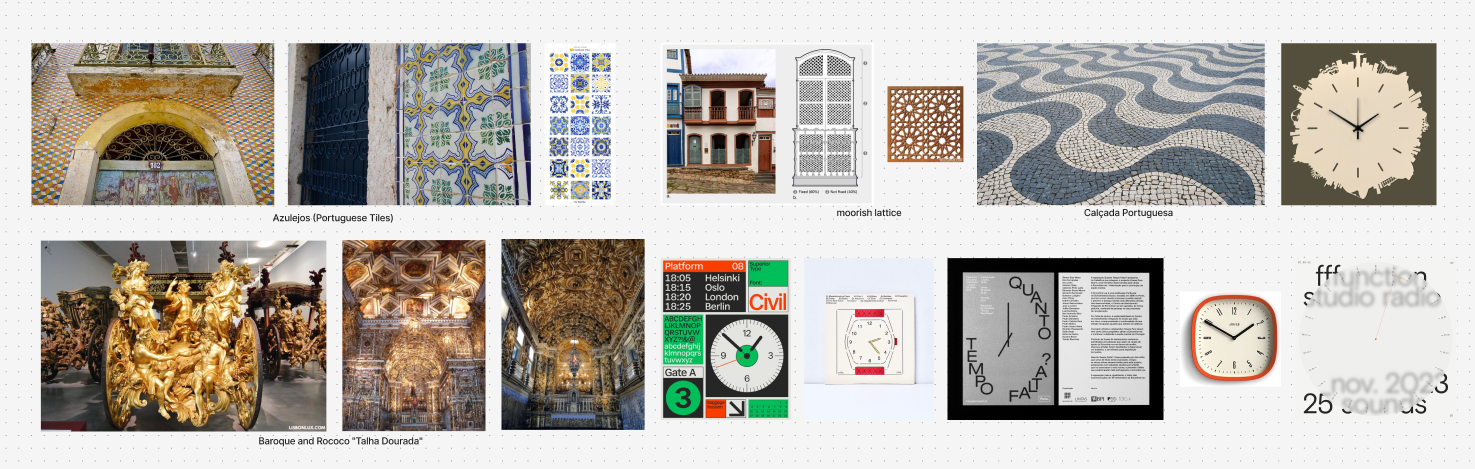
Figure 3: Visual Reference for Brazil & Poster layout
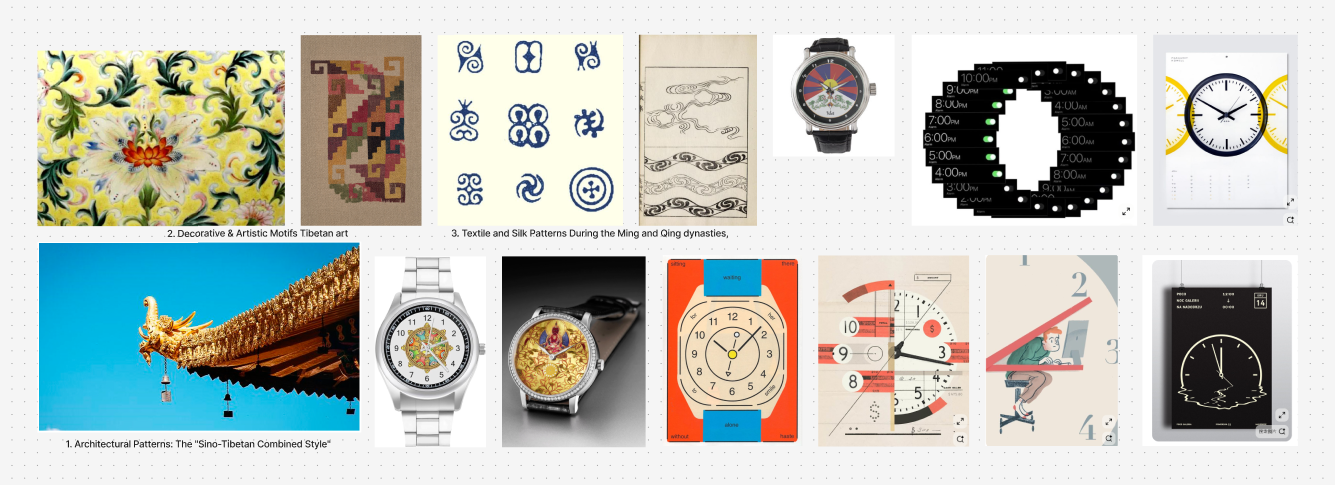
Figure 4: Visual Reference for Tibet & Poster layout
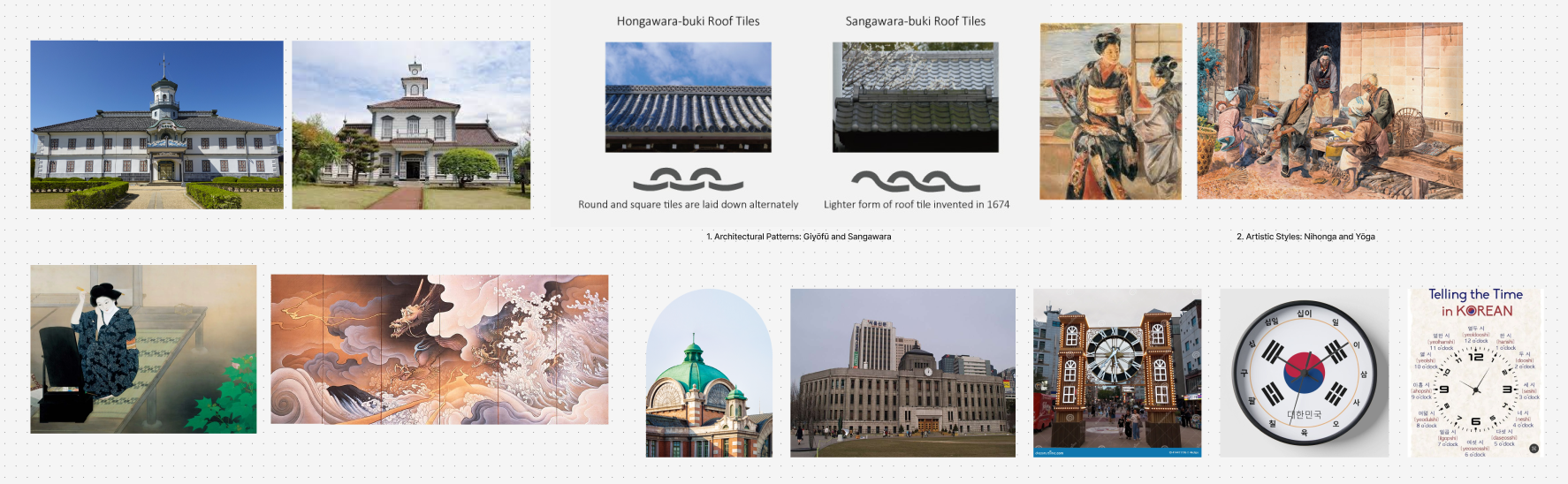
Figure 5: Visual Reference for Korea & Poster layout
All three posters have been designed using Figma, with the same structure and yet each with its own visual language. The set, titled Imposed Rhythms, is a symbolic visual essay that examines the ways in which, as Nanni (2012, p.1) explains, the attempted eradication and reform of alternative cultures of time, as part of colonialism, set the ideological stage for the highly quantified, clock-disciplined nature of contemporary digital labor.
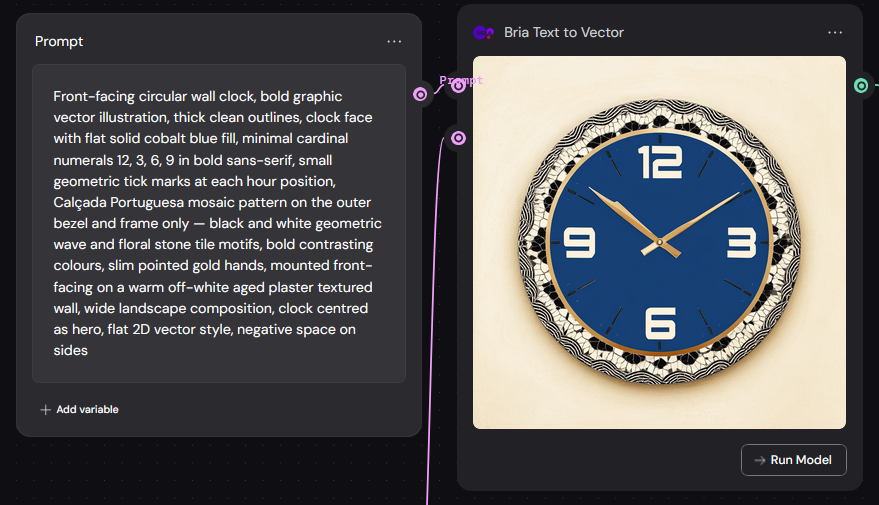
Figure 6: Weavy AI (2026a) - Brazil Clock
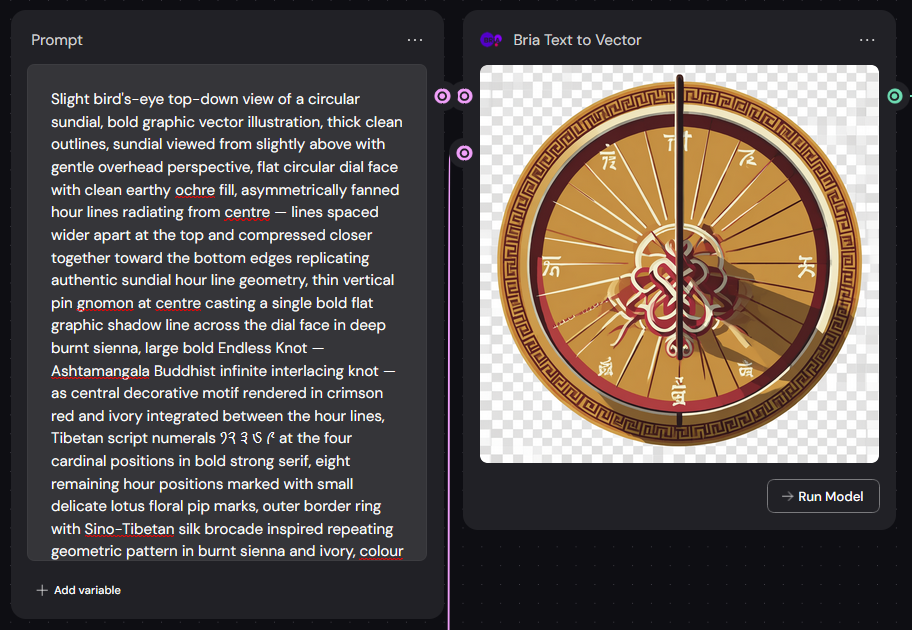
Figure 7: Weavy AI (2026b) - Tibet Sundial
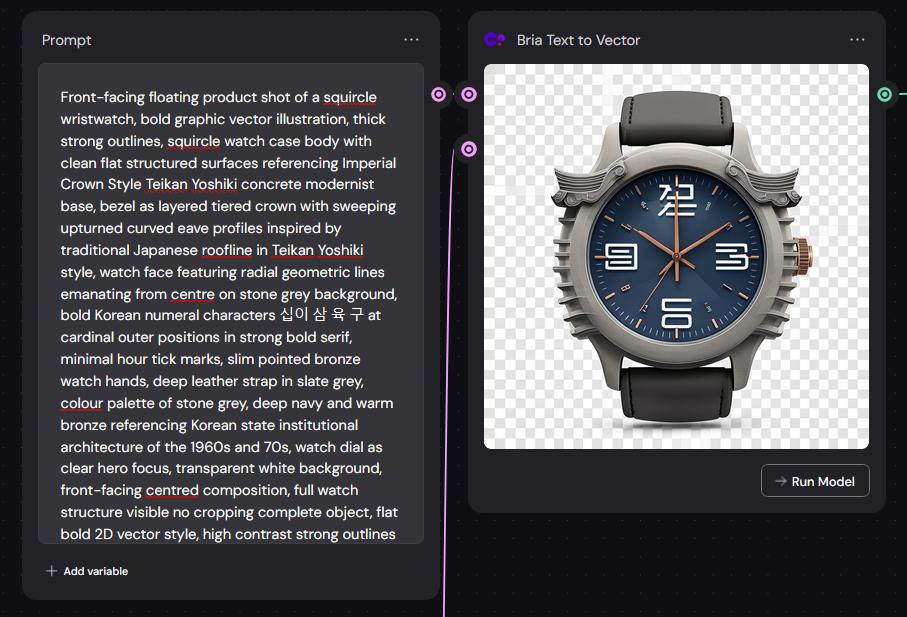
Figure 8: Weavy AI (2026c) - Korea Watch
I used Weavy AI Bria Text to Vector tool to provide the visual base for each of the posters. The prompt was designed to capture the colonial design heritage of each of the respective countries, with the images being refined and combined using Figma to produce the final designs.
3.0 Content Production
I've used a combination of research papers and academic blogs to form the basis of the content for the posters, with the references listed in the bibliography below. (Cambridge University Press (n.d.), Espada Lima, H. (2021), Harvard University (n.d.), HRW (2013), HRW (2024), Kim (2019), Korea Times (2015), Korean Heritage (n.d.), Brown University (n.d.), Sciencedirect.com (2023), ResearchGate (2017)). The content has been designed to be concise and impactful, with the aim of communicating the key points in a clear and visually engaging way. The posters are intended to be informative and thought-provoking, encouraging viewers to reflect on the ways in which colonialism has shaped our understanding of time and its impact on contemporary digital labor.
References
- Brainz Magazine (2023). How do the different cultures view time management? Available at: https://www.brainzmagazine.com/post/how-do-the-different-cultures-view-time-management (Accessed: 1 April 2026).
- Brown University (n.d.) Feitorias and Engenhos. In: Five Centuries of Change. Available at: https://library.brown.edu/create/fivecenturiesofchange/chapters/chapter-1/feitorias-and-engenhos/ (Accessed: 30 April 2026).
- Clockify (2025). Time orientation and perception of time in different cultures. Available at: https://clockify.me/blog/managing-time/time-perception/ (Accessed: 1 April 2026).
- Culturally Modified (2020). How different cultures understand time. Available at: https://culturallymodified.org/how-different-cultures-understand-time-best-of/ (Accessed: 1 April 2026).
- Cambridge University Press (n.d.) Journal of Economic History: Institutional Development and Colonial Heritage within Brazil. Available at: https://www.cambridge.org/core/journals/journal-of-economic-history/article/abs/institutional-development-and-colonial-heritage-within-brazil/A96BB58C0D71CA42E4FE9E1D1C70010A (Accessed: 30 April 2026).
- Harvard University (n.d.) A Scramble for Freight. Available at: https://history.stanford.edu/sites/history/files/a_scramble_for_freight_uchida_cssh_51_1_0.pdf (Accessed: 30 April 2026).
- Hall, E.T. (1983). The dance of life: The other dimension of time. New York: Doubleday.
- HRW (2013) They Say We Should Be Grateful: Mass Housing and Relocation Programs in Tibet. Available at: https://www.hrw.org/report/2013/06/27/they-say-we-should-be-grateful/mass-rehousing-and-relocation-programs-tibetan (Accessed: 30 April 2026).
- HRW (2024) Educate the Masses, Change Their Minds: China’s Forced Relocation of Rural Tibetans. Available at: https://www.hrw.org/report/2024/05/22/educate-masses-change-their-minds/chinas-forced-relocation-rural-tibetans (Accessed: 30 April 2026).
- Kim, S. (2019) The Influence of Giyōfū Architecture and 19th Century Japan on Early Modern Korea. In: Colonial Korea. Available at: https://colonialkorea.com/2019/05/12/the-influence-of-giyofu-architecture-and-19th-century-japan-on-early-modern-korea/ (Accessed: 30 April 2026).
- Korea Times (2015) Japanese Vestiges Still Haunt Schools. Available at: https://www.koreatimes.co.kr/southkorea/20150810/japanese-vestiges-still-haunt-schools (Accessed: 30 April 2026).
- Korean Heritage (n.d.) Japanese Vestiges Still Haunt Schools. Available at: http://www.koreanheritage.kr/feature/view.jsp?articleNo=161 (Accessed: 30 April 2026).
- Lewis, R.D. (1996). When cultures collide: Managing successfully across cultures. London: Nicholas Brealey Publishing.
- Nanni, G. (2012). The colonisation of time: Ritual, routine and resistance in the British Empire. Manchester: Manchester University Press.
- Ronconi, L. (2015). 'Colonial history affects labor regulations', World Bank Jobs and Development Blog, 30 November. Available at: https://blogs.worldbank.org/en/jobs/colonial-history-affects-labor-regulations (Accessed: 1 April 2026).
- Sciencedirect.com (2023) Institutional Development and Colonial Heritage within Brazil. Available at: https://www.sciencedirect.com/science/article/pii/S0305750X23001808 (Accessed: 30 April 2026).
- ResearchGate (2017) Performing Tibet: On the Role of Traditional and Modern Performing Arts in the Making of Contemporary Tibetan Identities. Available at: https://www.researchgate.net/publication/313101059_Performing_Tibet_on_the_role_of_traditional_and_modern_performing_arts_in_the_making_of_contemporary_Tibetan_identities (Accessed: 30 April 2026).
- Espada Lima, H. (2021) ‘Enslaved and Free Workers and the Growth of the Working Class in Brazil’, in Vergara, Á. (ed.) Oxford Research Encyclopedia of Latin American History. New York, NY: Oxford Academic. doi: https://doi.org/10.1093/acrefore/9780199366439.013.819 (Accessed: 30 April 2026).
- Weavy AI (2026a). AI-generated by Bria Text to Vector with prompt 'Front-facing circular wall clock, bold graphic vector illustration, thick clean outlines, clock face with flat solid cobalt blue fill, minimal cardinal numerals 12, 3, 6, 9 in bold sans-serif, small geometric tick marks at each hour position, Calçada Portuguesa mosaic pattern on the outer bezel and frame only — black and white geometric wave and floral stone tile motifs, bold contrasting colours, slim pointed gold hands, mounted front-facing on a warm off-white aged plaster textured wall, wide landscape composition, clock centred as hero, flat 2D vector style, negative space on sides', 25 March. Available at: https://www.weavy.ai (Accessed: 1 April 2026).
- Weavy AI (2026b). AI-generated by Bria Text to Vector with prompt 'Slight bird's-eye top-down view of a circular sundial, bold graphic vector illustration, thick clean outlines, sundial viewed from slightly above with gentle overhead perspective, flat circular dial face with clean earthy ochre fill, asymmetrically fanned hour lines radiating from centre — lines spaced wider apart at the top and compressed closer together toward the bottom edges replicating authentic sundial hour line geometry, thin vertical pin gnomon at centre casting a single bold flat graphic shadow line across the dial face in deep burnt sienna, large bold Endless Knot — Ashtamangala Buddhist infinite interlacing knot — as central decorative motif rendered in crimson red and ivory integrated between the hour lines, Tibetan script numerals ༡༢ ༣ ༦ ༩ at the four cardinal positions in bold strong serif, eight remaining hour positions marked with small delicate lotus floral pip marks, outer border ring with Sino-Tibetan silk brocade inspired repeating geometric pattern in burnt sienna and ivory, colour palette of earthy ochre, burnt sienna, ivory and deep crimson, transparent white background, sundial centred as hero object, full structure visible no cropping complete object, flat 2D bold vector style, strong clean outlines throughout', 25 March. Available at: https://www.weavy.ai (Accessed: 1 April 2026).
- Weavy AI (2026c). AI-generated by Bria Text to Vector with prompt 'Front-facing floating product shot of a squircle wristwatch, bold graphic vector illustration, thick strong outlines, squircle watch case body with clean flat structured surfaces referencing Imperial Crown Style Teikan Yoshiki concrete modernist base, bezel as layered tiered crown with sweeping upturned curved eave profiles inspired by traditional Japanese roofline in Teikan Yoshiki style, watch face featuring radial geometric lines emanating from centre on stone grey background, bold Korean numeral characters 십이 삼 육 구 at cardinal outer positions in strong bold serif, minimal hour tick marks, slim pointed bronze watch hands, deep leather strap in slate grey, colour palette of stone grey, deep navy and warm bronze referencing Korean state institutional architecture of the 1960s and 70s, watch dial as clear hero focus, transparent white background, front-facing centred composition, full watch structure visible no cropping complete object, flat bold 2D vector style, high contrast strong outlines', 25 March. Available at: https://www.weavy.ai (Accessed: 1 April 2026).